
Precise knowledge of the temperature-dependent mechanical characteristics is essential for describing the load-deformation behaviour of steel structures under thermal stress (e.g. in the event of fire). The data anchored in the DIN EN 1993-1-2 standard can be safely used for traditional structural steel constructions using steels according to the current standards and exposed to temperatures of up to around 700°C. No comprehensive, reliable literature references exist for use beyond this area of application.
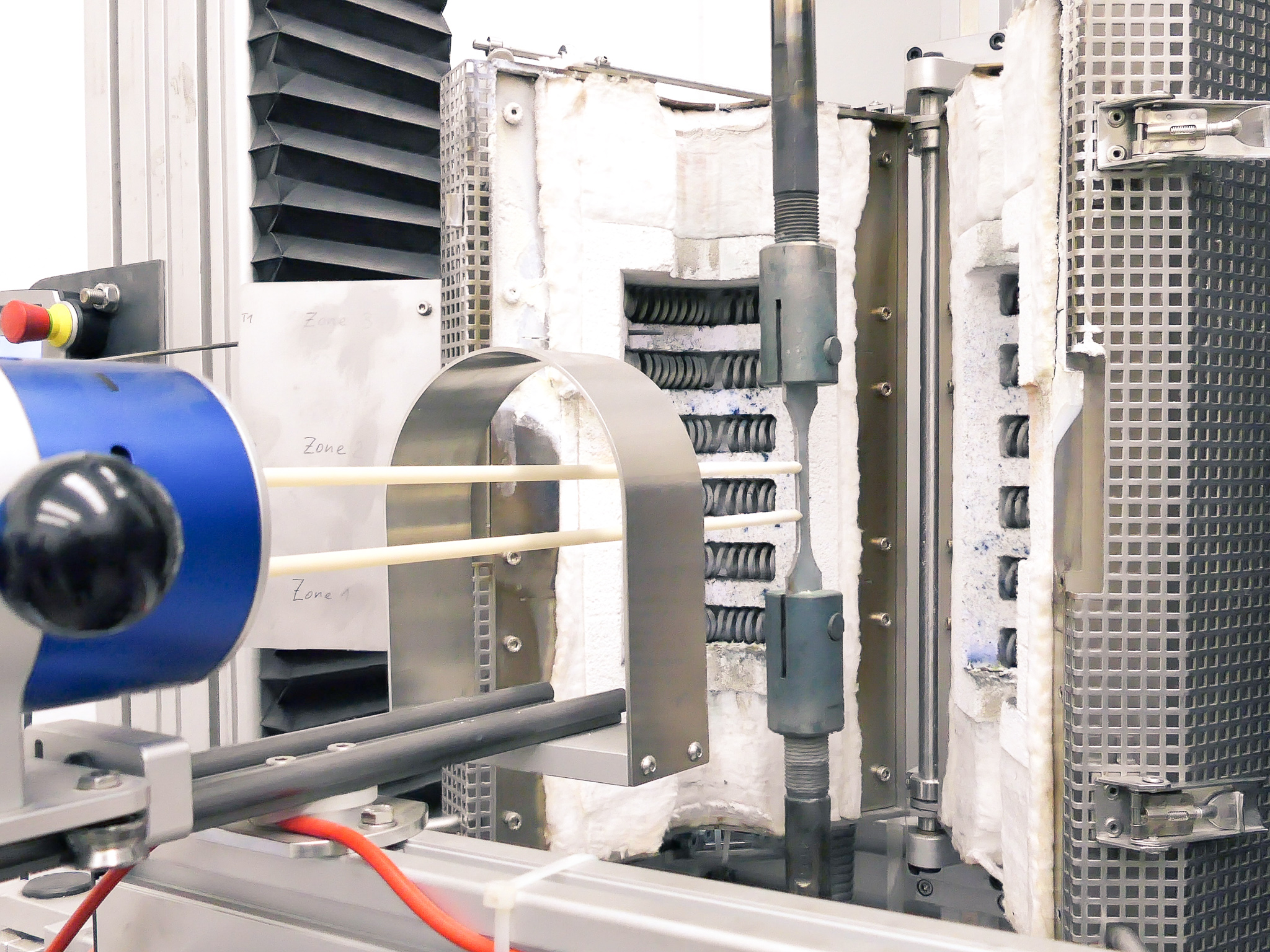
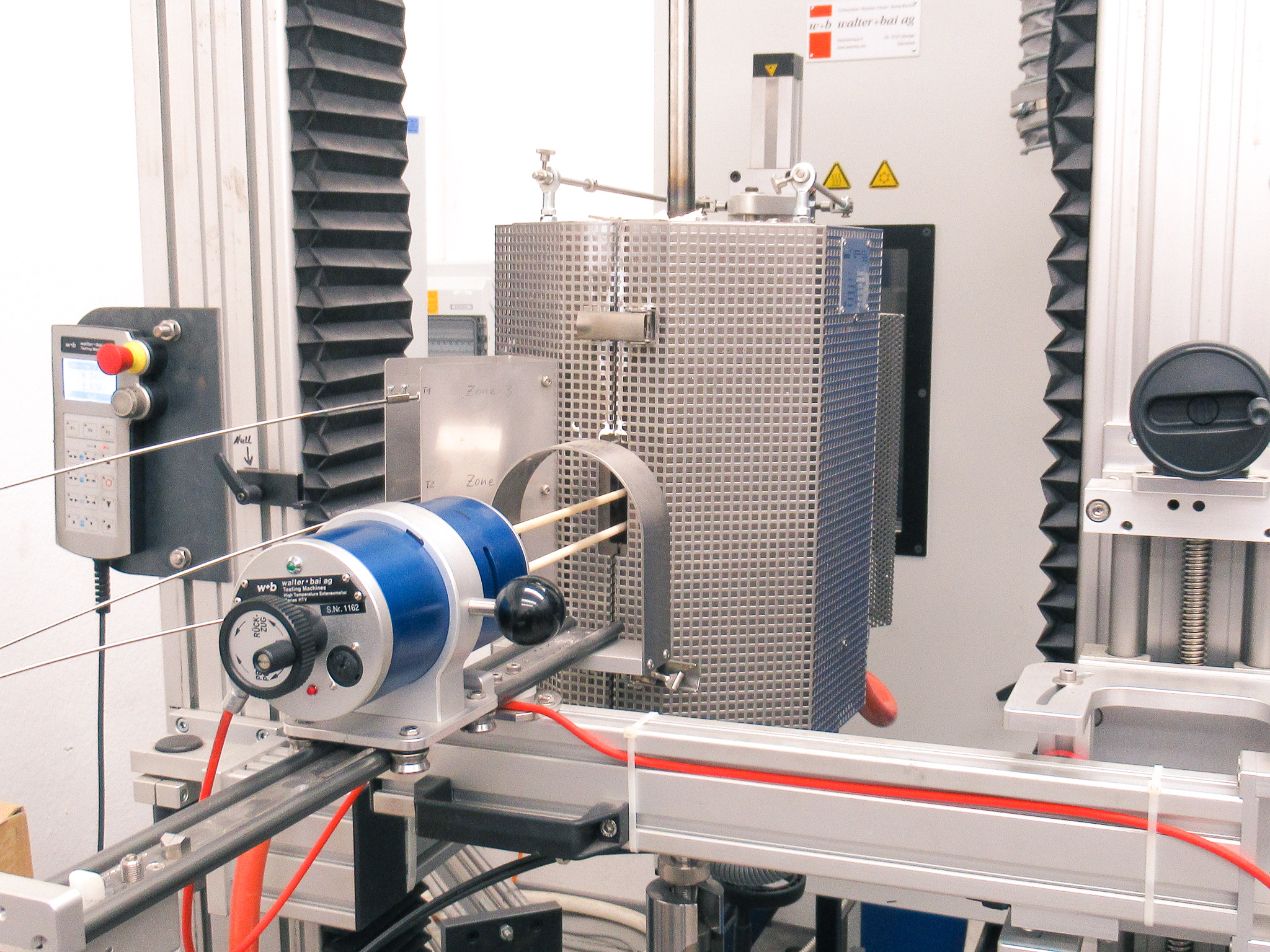
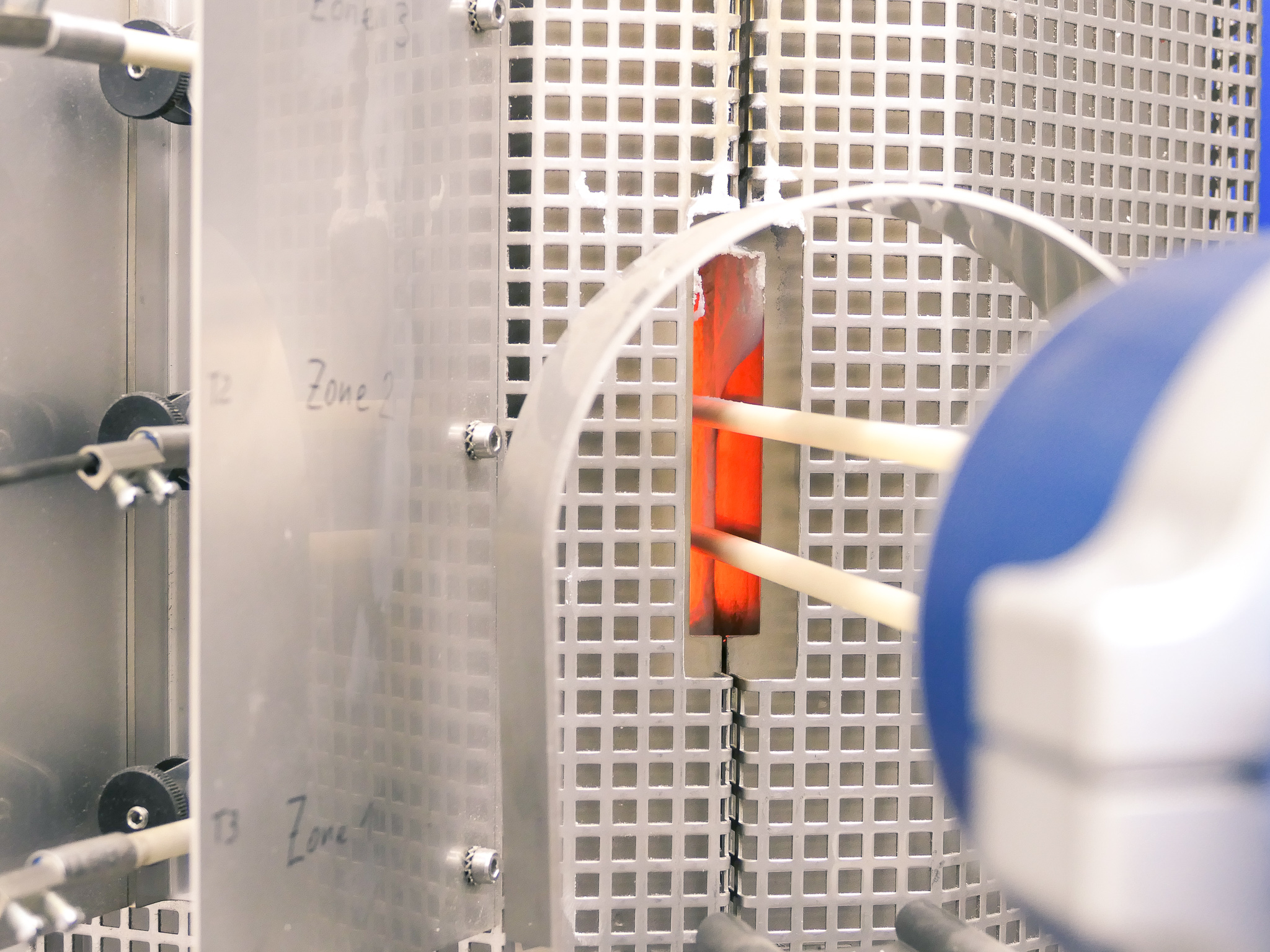
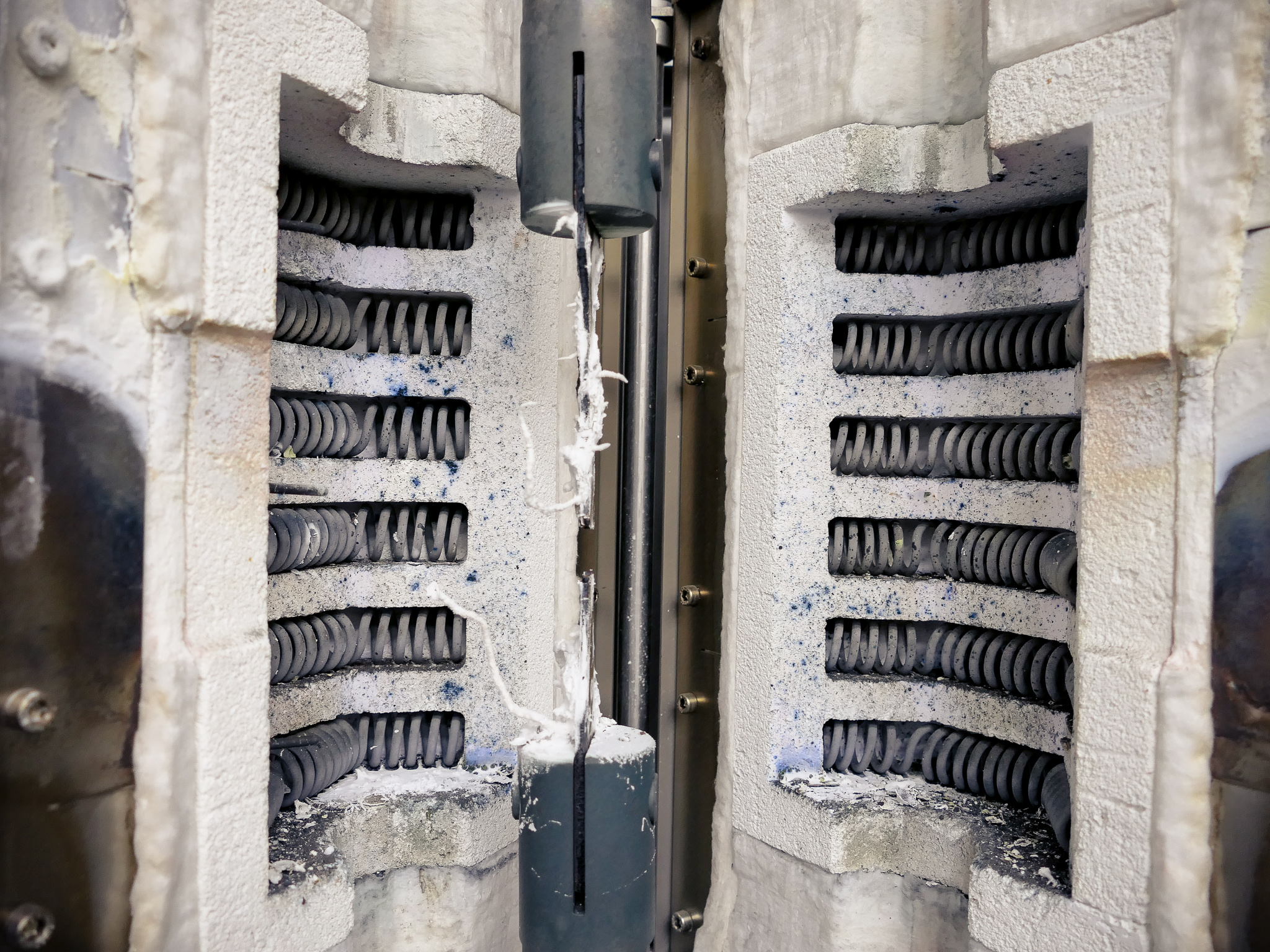
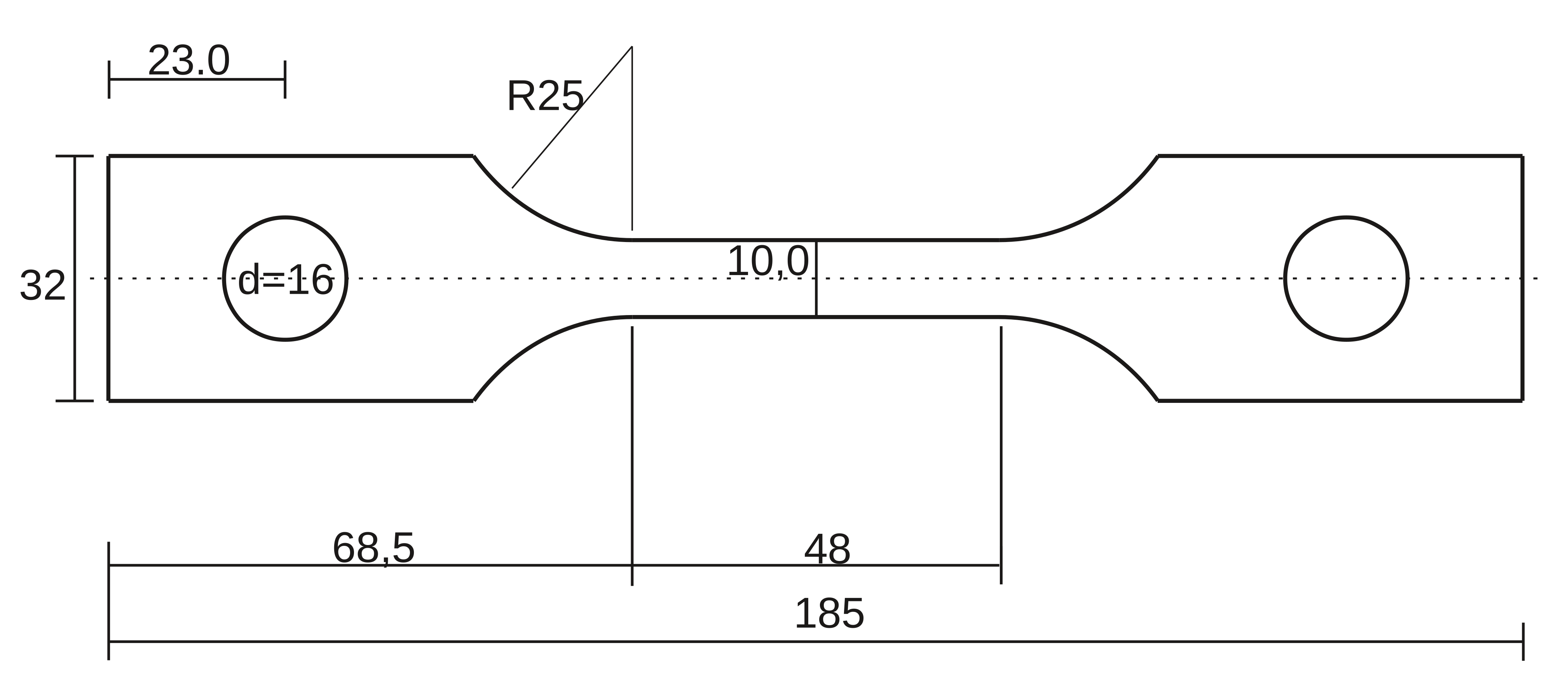
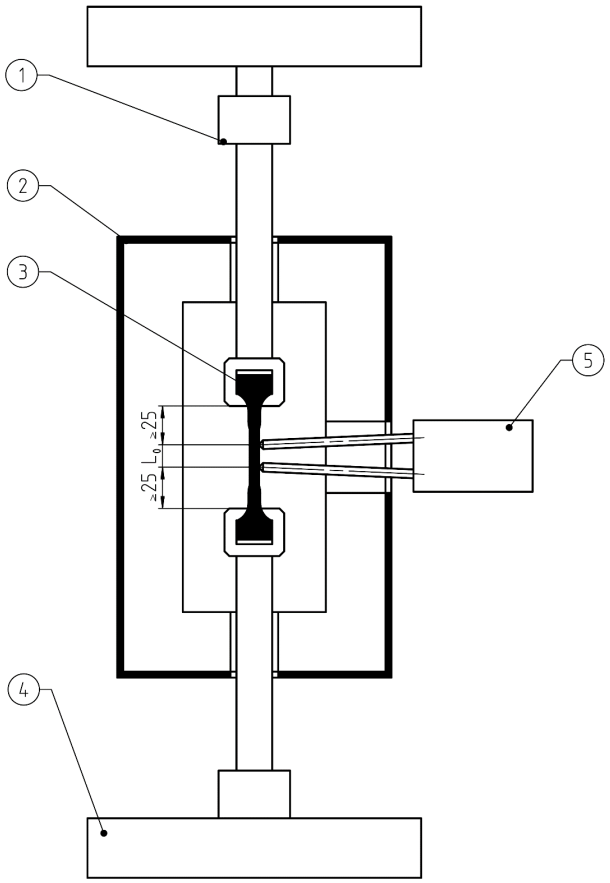
We offer in-house high temperature tensile tests for describing the load-bearing behaviour of structural steel structures at moderate temperatures and with steels not covered by the current standards. In these tests, the relation between stress and strain is determined at a constant given temperature. The results allow for reduction factors to be identified of the properties of the cold materials in analogy to DIN EN 1993-1-2.
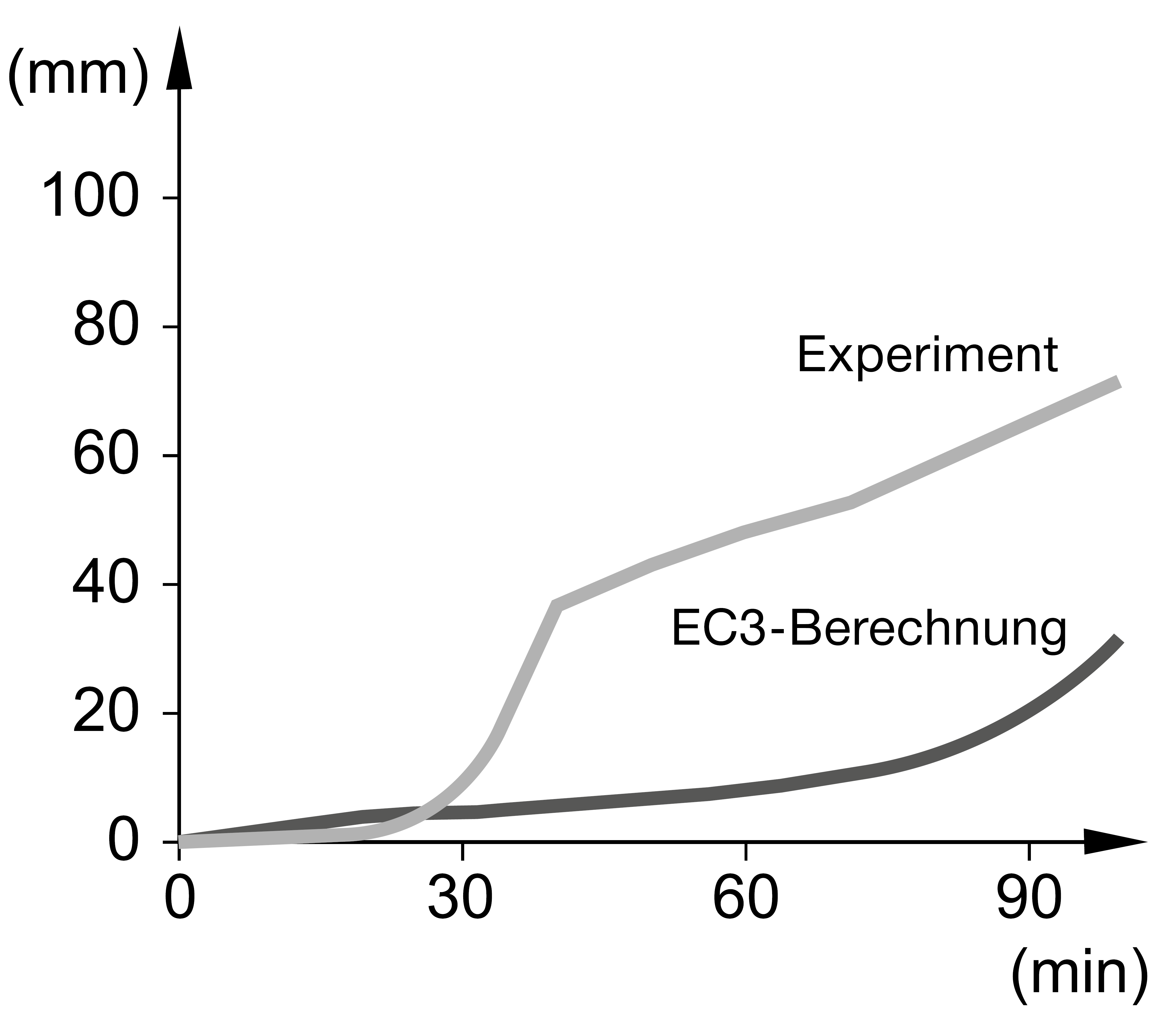
Heat creep effects, for example, are increasingly relevant, if temperatures over 700°C occur on unprotected, thin-walled components. To cover these and to accurately describe the load-deformation behaviour of corresponding structures, we offer transient high-temperature tensile tests (e.g. pursuant to EAD 280016-00-0602, attachment J). In this case, the temperature is increased at a constant mechanical load in line with the relevant temperature-time curve and elongation is recorded continuously.
More projects
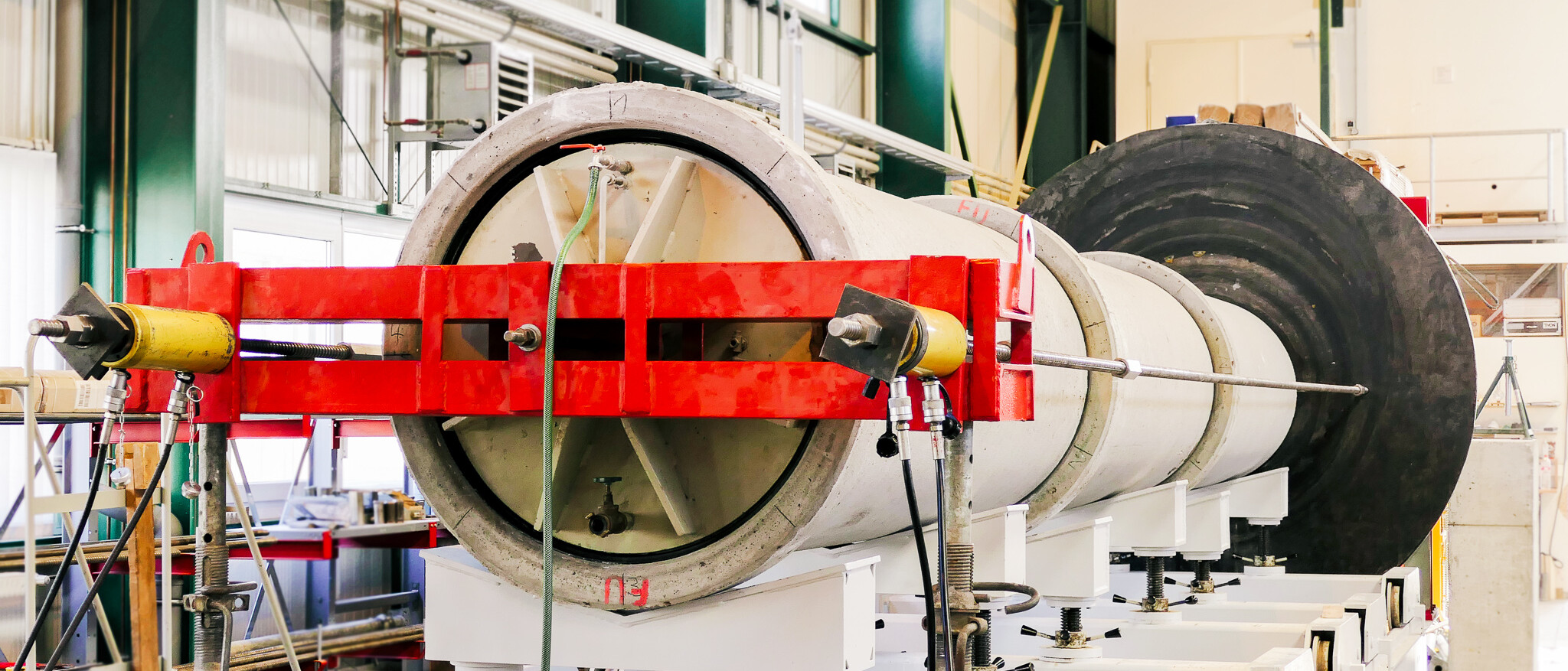
Water-tightness testing on the tubing string
As part of the external monitoring service, MFPA Leipzig GmbH carries out recurring tests of…
Assessment of mounting systems according to EAD 280016-00-0602
Characterization of the performance properties under ambient temperature and in case of fire

Load-bearing safety testing on bridge structures
In order to investigate the load-bearing capacity of the Leipzig Klinger Bridge in , a load test…